

Which Home Insulation Saves the Most Energy?

If you've ever opened an energy bill and wondered why it keeps climbing no matter what you do, your insulation might actually be the problem. Most people go straight to upgrading appliances or fiddling with the thermostat — but a lot of the time, the real fix is hiding behind your walls and above your ceiling.
Getting the right insulation can make a serious dent in how much heat escapes in winter and how much creeps in during summer. The tricky part is figuring out which type is actually worth it.
So let's break it down.
Why Does It Even Matters?
Think of insulation as a buffer between your home and the outside world. Without it doing its job properly, your heating and cooling system is constantly playing catch-up — which means more energy used and bigger bills every month.
The obvious win is lower energy costs, but good insulation also makes your home more comfortable, quieter, better at managing moisture, and even a bit healthier air-wise. Getting a professional to take a look can help you figure out where you're losing the most and what'll actually fix it.
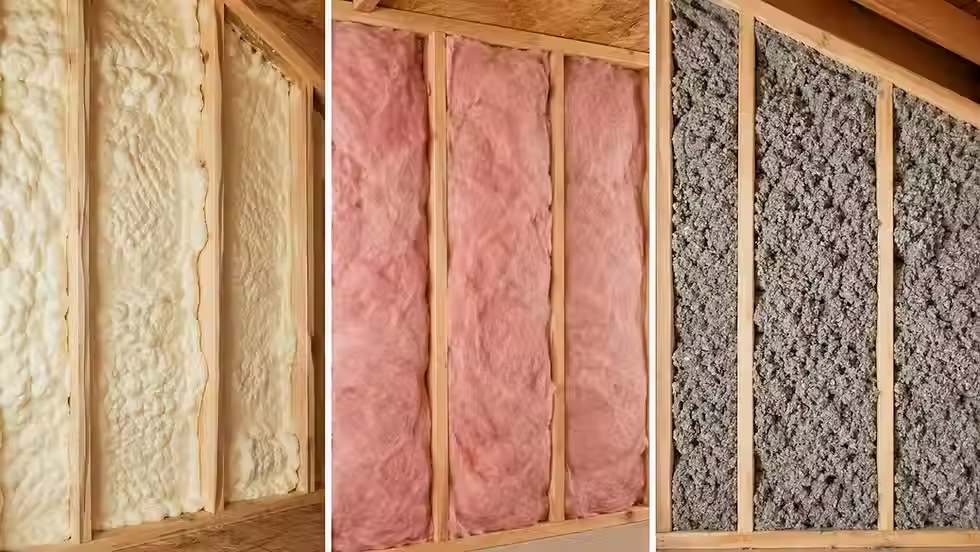
Fiberglass Insulation: The Traditional Choice
Fiberglass has been around forever and it's still one of the most common choices out there. It comes in batts and rolls, it's not expensive, and most contractors know it inside out.
Pros:
It's affordable
Fire-resistant
Easy to find
Works well in attics and wall cavities
Cons:
Squash it and it stops working properly
Not great at blocking air leaks
If it's not put in carefully, gaps will undercut the whole thing
It does the job, but it's not going to blow anyone away with energy savings.
Spray Foam Insulation: The Energy-Saving Leader
If you want the best results, spray foam is pretty hard to argue with. It expands when you apply it, getting into all the little cracks and awkward corners that other materials just can't reach.
Pros:
Seals air incredibly well
Has a high R-value for its thickness
Keeps drafts and moisture out
Can noticeably cut your heating and cooling bills
Cons:
Costs more upfront
You really do need a professional to install it
That said, most homeowners find the savings pay it back over time. If efficiency is your priority, this is the one.
Cellulose Insulation: An Eco-Friendly Alternative
Cellulose is made mostly from recycled paper, which makes it popular with anyone who wants a more sustainable choice.
Pros:
Eco-friendly
Performs well thermally
Does a decent job cutting down airflow
Particularly good for retrofitting older homes
Cons:
Can settle a bit over time
Doesn't handle moisture brilliantly
It sits nicely between price and performance, and for a lot of homes it's genuinely a great fit.
Which Insulation Saves the Most Energy?
It depends on your home, your climate, and what you've got to spend — but spray foam consistently comes out on top because it insulates and seals at the same time. Fiberglass is the sensible budget pick, and cellulose is the one to go for if sustainability matters to you. A good insulation professional can take a look at your specific situation and point you in the right direction.
It's Also Worth Thinking About Your Home's Value
This bit often gets overlooked, but better insulation can genuinely make your home more attractive to buyers. People are increasingly looking for homes that won't cost a fortune to run.
Good insulation can:
Boost your home's energy rating
Show buyers the place has been looked after
Potentially add to what it's worth when you sell
As energy efficiency becomes more of a priority in the housing market, it's less of a "nice to have" and more of a smart long-term move.
Final Thoughts
Selecting the right home insulation is one of the most effective ways to improve comfort and reduce energy expenses. Whether you choose fiberglass, cellulose, or a modern insulation solution like spray foam, understanding your options allows you to make an informed decision that benefits your household for years to come.
If you're considering improving your home's efficiency, the experts at Longhorn Outdoor Living can help guide you toward solutions that enhance comfort, performance, and long-term value. From identifying the right materials to connecting you with trusted professionals, Longhorn Outdoor Living is committed to helping homeowners create smarter, more energy-efficient living spaces.


Comments