

How to Budget for Attic Insulation in Older Homes?
- American Insulation

- Mar 25
- 4 min read
If you live in an older home, you’ve probably noticed a few things—rooms that feel too hot in the summer, too cold in the winter, and energy bills that seem higher than they should be. A big part of the problem often comes down to attic insulation.
The good news? Upgrading your insulation can make a noticeable difference in comfort and efficiency. The tricky part is figuring out how to budget for it, especially when older homes can come with a few surprises. Let’s break it down in a simple, practical way.

Why Attic Insulation Matters More in Older Homes?
Older homes were built in a different era — energy efficiency simply wasn't the priority back then that it is today. As a result, a lot of them are sitting with attic insulation that's either worn out, nowhere near thick enough, or patchy in places where it matters most.
That's exactly where upgrading your attic insulation starts to make a real difference.
Proper insulation helps:
Keep your home at a steady, comfortable temperature throughout the day
Spend less on heating and cooling — month after month
Actually enjoy the space, whatever the weather is doing outside
Take some of the pressure off your HVAC system so it isn't working overtime
In short, it’s one of the most effective upgrades you can make for both comfort and long-term savings.
Step 1: Assess Your Current Insulation
Before setting a budget, you need to understand what you’re working with. Some older homes may still have insulation, but it might not be performing well anymore.
An experienced attic insulation installer can inspect your attic and tell you:
The type of insulation currently in place
Whether it needs to be removed or topped up
Any air leaks or ventilation issues
This initial assessment gives you a clearer idea of the scope—and cost—of the project.
Step 2: Understand the Type of Insulation You Need
Not all insulation is created equal — what you pick will have a real impact on what you spend
Fiberglass batts are the go-to for most people on a budget, and widely available
Blown-in insulation works really well for older attics full of awkward nooks and tight corners
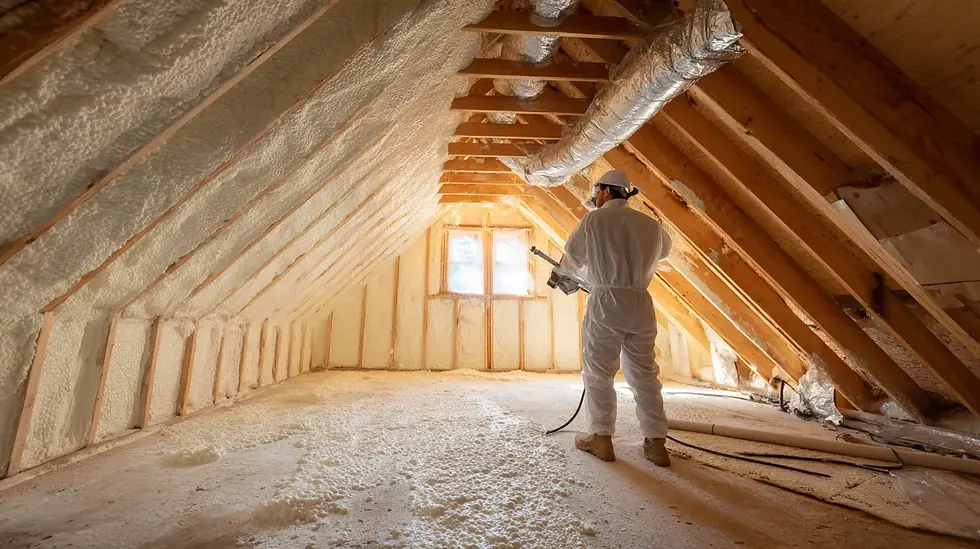
Spray foam costs more upfront, but tends to pay for itself over time with better performance
Older homes rarely play by the rules — blown-in and spray foam earn their keep here, working into spaces that rigid materials simply can't reach. A local DFW installer who knows the Texas climate will steer you toward whatever makes the most sense for your specific home
Step 3: Factor in Removal and Repairs
Budgeting for older homes can get a little more complicated than you'd expect. Sometimes the existing insulation has to come out first — whether that's down to damage, mold, or an unwanted pest situation
On top of the basics, you might also find yourself needing:
Air sealing to close up any gaps letting air sneak through
Minor attic repairs to sort out anything that's been neglected over the years
Ventilation improvements to keep airflow where it should be
These extra steps don't always show up in a basic quote — but skipping them can mean you don't get the full benefit of your new insulation
Building a little wiggle room into your budget from the start is the best way to avoid any nasty surprises down the line
Step 4: Consider Labor and Installation Costs
Labour is a significant part of the cost, and it's worth paying for quality. A skilled installer makes sure the job is done right — because insulation that's poorly fitted simply doesn't perform, no matter how good the materials are.
Costs can vary depending on:
Size of your attic
Type of insulation used
Complexity of the space
If you’re working with an attic insulation installer in DFW, local pricing and climate considerations may also influence the final estimate.
Step 5: Look at Long-Term Savings
Yes, there's an upfront cost — but insulation is one of those investments that genuinely pays you back.
When your attic is properly insulated, your HVAC system isn't constantly fighting to maintain temperature. It runs less, works easier, and your energy bills reflect that. For most homeowners, the savings add up quickly enough that the upgrade essentially covers itself within a few years.
It's less of an expense and more of a slow, quiet return on investment.
Step 6: Set a Realistic Budget
Budget around 10 to 20% above your initial estimate — older homes have a habit of throwing up surprises once work begins. And get a few quotes before committing, not to find the lowest price, but to understand what good value actually looks like.
Step 7: Don’t Cut Corners on Quality
The cheapest quote can be tempting, but insulation is one of those jobs where cutting costs tends to cost more in the long run. Poor installation leaves gaps, reduces efficiency, and often means paying for the work twice.
An experienced installer gets it right the first time — and that's really the whole point of the investment.
Final Thoughts
Budgeting for attic insulation in an older home doesn’t have to be overwhelming. With the right approach—understanding your current setup, choosing the right materials, and planning for additional costs—you can make a smart, informed decision.
The result isn’t just lower energy bills, but a home that feels more comfortable year-round. And when you’re ready to move forward, working with trusted professionals like American Insulation can make the entire process smoother, ensuring you get quality results that truly last.


Comments